Alkalinity in pool water serves as the buffering system that keeps pH from swinging wildly when soils, rain, evaporation, or swimmers introduce acids and bases. Total alkalinity (TA) acts like a shock absorber, mainly composed of bicarbonates, carbonates, and hydroxides. For residents of Allison Island and the broader Florida region, maintaining stable TA protects your equipment, prevents corrosive or scaling conditions, and reduces skin and eye irritation for swimmers. Our specialists explain that TA doesn’t set the exact pH, but it strongly influences how easily pH moves when pollutants enter the water or when the heater, chlorine, or algaecide chemistry shifts. A steady TA creates a forgiving environment where periodic pH adjustments can be more precise and predictable, saving time, chemical costs, and equipment wear over the swimming season.
In every Florida backyard pool, sunlight, heat, and regular pool use push pH upward and downward in different directions. Alkalinity acts as a stabilizer by absorbing small amounts of acid or base before the pH responds. When TA is too low, the water becomes highly reactive; pH can crash or swing dramatically with the addition of chlorine, sweat, leaves, or rain. When TA is too high, the water resists pH changes too strongly, making routine pH adjustments slow and imprecise. In Allison Island, where outdoor pools endure long sun exposure, high temperatures, and occasional heavy rainfall, monitoring TA is especially important because the balancing acts become more frequent. Specialists emphasize measuring TA first, then adjusting pH only after TA is in an acceptable range. This approach reduces the likelihood of chasing pH in a moving target and helps prevent costly cycling between chemicals.
Start with a reliable test kit or digital tester designed for pool water chemistry. For Allison Island residents, the first step is to collect a representative sample from elbow depth and away from return jets, skimmers, or direct sunlight. Shake the test vial or calibrate the digital probe according to the manufacturer’s instructions, then compare the reading to the recommended TA range, typically 80–120 ppm for most residential pools. Remember that in Florida, elevated calcium hardness and mineral content can interact with TA readings, so it’s wise to test TA in conjunction with pH and calcium hardness. Keep a simple log of readings over time to identify trends caused by seasonal changes or heavy use. If you’re unsure about your results, contact us to review your data with our specialists or schedule a professional testing session. In Allison Island, your local environment can subtly shift recommended ranges, so periodical confirmation with our experts helps keep your pool balanced.

Common mistakes include testing during midday sun, using dirty test caps, or waiting too long after adding reagents before reading. Always rinse your sample container, follow the test sequence, and record the exact time of testing. If your test shows TA below 80 ppm, it’s a cue to plan a gradual adjustment rather than a rapid chemical infusion. If TA is above 120 ppm, plan a careful, staged approach to lowering it to the target band. For Florida pools, you may encounter more rapid TA shifts in spring and summer due to intense sun and evaporation, so more frequent testing is prudent. Our specialists are here to guide you step by step, ensuring your readings reflect accurate, repeatable results.
TA readings are expressed in parts per million (ppm). A target range of roughly 80–120 ppm works for many pools, but your ideal TA can vary depending on pool surface, equipment, and local water chemistry in Allison Island. If your TA sits within that band and pH remains stable, you have a solid baseline. When TA dips below 80 ppm, you’ll notice more pH variability and faster changes after adding sanitizers or bather load. If TA climbs above 120 ppm, the water may resist pH adjustments, and you could observe stagnation or cloudy water due to mineral imbalances. In Florida’s climate, high TA can compound issues caused by hot days, heavy rainfall, and irrigation runoff, so pay extra attention to seasonal fluctuations. Our experts can interpret test results in the context of your pool’s history, equipment, and water source, then propose a balanced plan that minimizes chemical use while maintaining comfort and safety for swimmers.

Understanding the numbers also means recognizing when adjustments are needed versus when readings are normal variation. If pH drifts but TA remains within range, you may only need small pH corrections. If TA fluctuates while pH stays stable, you’re likely dealing with gradual water replacement or mineral content shifts rather than a chemical imbalance. In Allison Island, keeping a concise testing log and sharing it with our specialists can expedite accurate readings and faster, safer adjustments.
Adjusting TA requires a careful, staged approach. To raise TA, the typical method is to add sodium bicarbonate (baking soda) in small increments, allowing the water to circulate for several hours before retesting. In Florida’s warm climate, do not over-titrate in one session; accept gradual progress and check readings frequently. To lower TA, you’ll usually use muriatic acid or sodium bisulfate in moderate portions, again giving the system time to mix and re-test. Always add chemicals to water, never the other way around, and distribute products around the perimeter to minimize localized pH shocks. In Allison Island, the high mineral content of well water or irrigation water may require more measured adjustments, and our specialists can tailor a plan that accounts for local water quality. Safety is essential: wear eye protection and gloves, remove children and pets from the area, and never mix cleaners with chlorine. After each adjustment, test TA and pH again, and wait for complete circulation before the next check. Our experts emphasize patience, because rapid changes can stress liners, plaster, and metal components.

A practical sequence is to adjust TA first to the lower end of the target range if pH is unstable, then fine-tune pH after TA stabilizes. If you’re unsure about the right amounts or the order of steps, reach out to us for a professional assessment. In Allison Island, a miscalculation can lead to corrosion or scaling, so professional guidance helps protect equipment and improve swimmer comfort.
Consistent testing is the foundation of a balanced pool. In Florida, where sun exposure and rainfall patterns change with the seasons, a practical routine is to test TA, pH, and calcium hardness at least weekly during peak swimming months and biweekly during cooler periods. After heavy use or storms, test again to catch sudden shifts. Maintain accurate records of all adjustments, dosages, and test results so that you can detect drift patterns over time. Our specialists can help you design a maintenance calendar tailored to your pool, including reminders for filter cleaning, cover management, and seasonal water top-offs. In Allison Island, many homeowners find that a simple digital log or app-based tracker makes it easier to stay on top of water balance, especially during back-to-back pool parties or family gatherings.
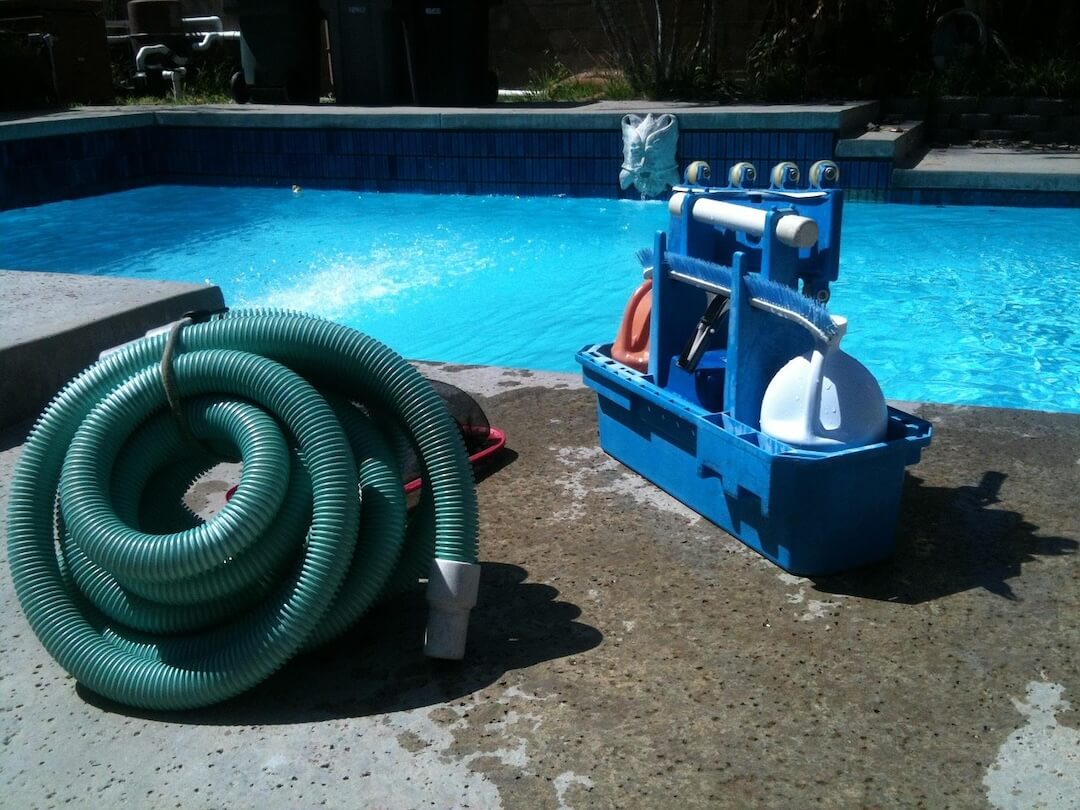
Tools matter, too. Use a reliable test kit, a properly calibrated digital tester if you prefer electronic readings, and a consistent sample collection technique. Keep the test reagents sealed and labeled, and store them in a cool, dry place away from direct sunlight. If your pool uses saltwater chlorination or has unique mineral content, discuss adjustments with our experts, because these factors can influence how TA behaves and how pH responds over time.
Our specialists bring years of hands-on experience with Florida pools, understanding how climate, water sources, and local equipment affect alkalinity and pH. We translate complex chemistry into practical steps, ensuring safe, effective adjustments that protect your pool surfaces and help your family enjoy clear, comfortable water.
We rely on accurate testing tools and standardized procedures to deliver reliable results. From high-quality reagents to calibrated meters, our approach minimizes guesswork and maximizes safety. In Allison Island, where water chemistry varies with geology and municipal supply, robust testing is essential to identify drift and prevent long-term damage.
Every pool is unique. We tailor maintenance schedules, dosing strategies, and seasonal adjustments to your pool type, whether it’s concrete, plaster, or vinyl, and to your climate realities in Allison Island. Our plan emphasizes predictable costs, minimal chemical residues, and consistent swimmer comfort.
When chemistry goes off balance unexpectedly, you need fast, knowledgeable help. Our team offers prompt guidance and, when needed, on-site evaluation to diagnose imbalance causes, whether from a storm, heavy use, or a sudden mineral surge. We’re here to help you reach a quick resolution and restore safe swimming conditions.
If you notice rapid pH swings, cloudy water, unexpected staining, or signs of irritation in swimmers, don’t delay. Our emergency services are designed to respond quickly to balance problems in Allison Island. You can contact us to arrange a same-day assessment or live support to walk you through the safest, most effective corrective steps. Our specialists can perform tests, interpret results, and guide you through controlled adjustments, ensuring that your pool returns to a healthy, enjoyable state with minimal risk to people, pets, and surfaces. Reach out to us anytime to discuss an urgent plan and a clear path forward.